Productivity Tips for the
Midnight Marvels

1. Schedule cognitively demanding work later in the day
Why it works:
Research on circadian rhythms shows that performance peaks when tasks are aligned with one’s chronotype (the synchrony effect). Evening types tend to show better attention, working memory, and executive control in the late afternoon and evening.
How to apply it:
-
Do deep work (writing, problem-solving, studying) after ~3–4 PM
-
Use mornings for low-stakes or routine tasks (emails, planning, admin)

2. Protect your sleep—don’t “fake” being a morning person
Why it works:
Chronic sleep restriction disproportionately harms night owls because their internal clock resists early bedtimes. Sleep loss impairs memory consolidation, emotion regulation, and decision-making.
How to apply it:
-
Aim for consistent sleep timing, even on weekends (no >1–2 hr shift)
-
Prioritize total sleep duration over “early” bedtimes
-
If forced into early schedules, short strategic naps (20–30 min) help restore alertness

3. Use light strategically to shift alertness (not personality)
Why it works:
Light is the strongest circadian cue. Evening light delays melatonin release, while morning light advances it.
How to apply it:
-
Bright light exposure late morning/early afternoon (natural light is best)
-
Limit blue light late at night only if sleep timing is a problem, not just because it’s “bad”
-
Avoid intense light immediately upon waking if you don’t need to shift earlier
4. Leverage evening creativity and divergent thinking
Why it works:
Studies suggest evening types often show strengths in creative problem-solving, cognitive flexibility, and insight-based tasks, especially later in the day.
How to apply it:
-
Brainstorm, outline papers, or generate ideas at night
-
Save editing and fine-detail work for slightly earlier, when cognitive control is stronger


5. Use caffeine tactically (later, not endlessly)
Why it works:
Caffeine improves vigilance, but mistimed use can worsen circadian misalignment.
How to apply it:
-
Delay caffeine until 90–120 minutes after waking
-
Use smaller doses in the late afternoon if needed
-
Avoid caffeine within ~6–8 hours of planned sleep
6. Batch tasks around energy waves, not the clock
Why it works:
Night owls experience delayed peaks in arousal and motivation due to later circadian timing and slower buildup of sleep pressure.
How to apply it:
-
Track your energy for a week
-
Batch tasks into:
-
Low energy: admin, review
-
Medium energy: meetings, studying
-
High energy (evening): exam prep, writing, complex reasoning
-


7. Reduce “social jet lag” where possible
Why it works:
Social jet lag (misalignment between biological time and social schedules) is linked to poorer academic performance, mood, and health—especially in night owls.
How to apply it:
-
Choose later class sections or exams when possible
-
Study for tests at the same time of day they’ll occur, even if it’s suboptimal
-
Advocate for flexible deadlines or remote work when feasible
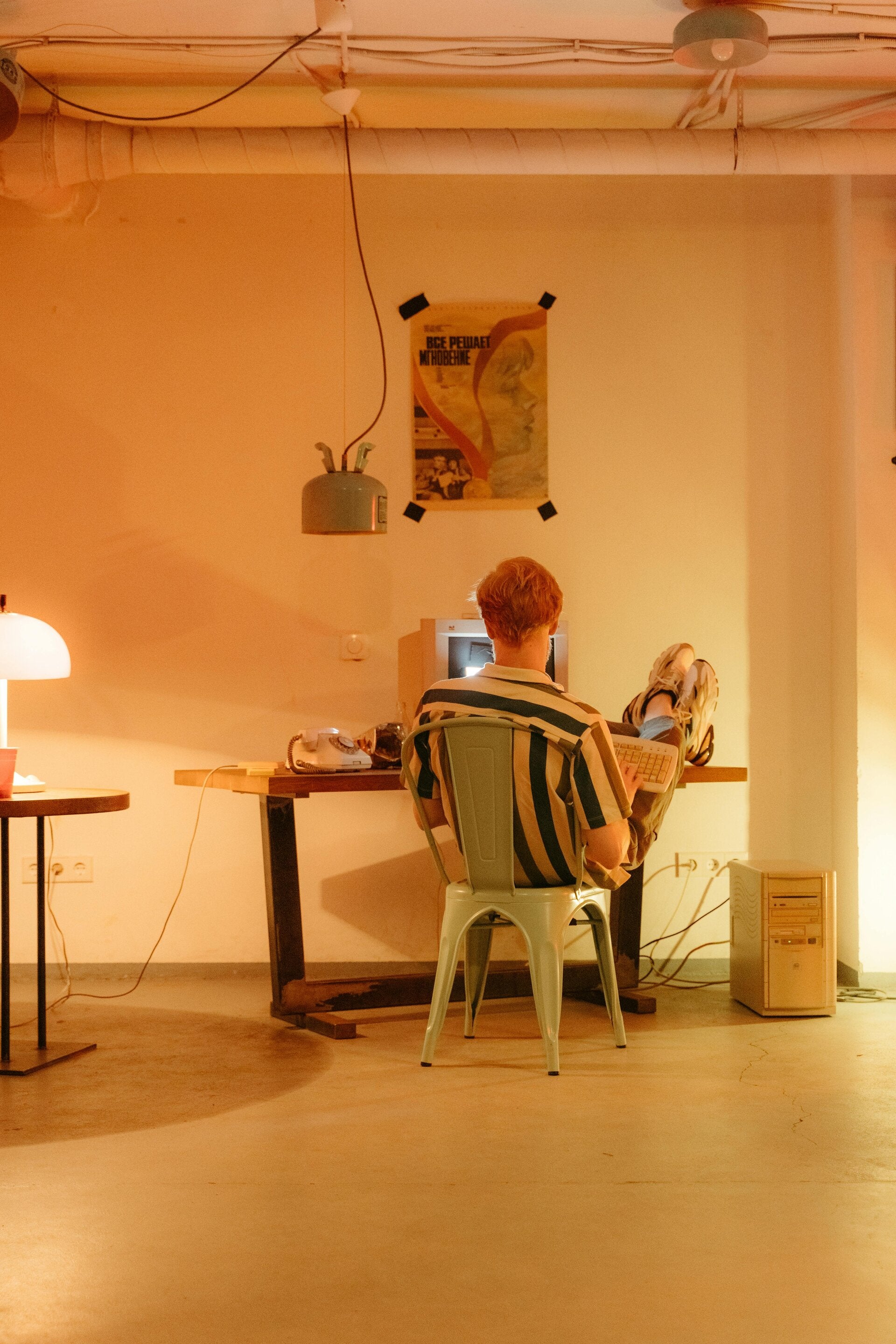
8. Reframe chronotype as a difference, not a deficit
Why it works:
Research consistently shows that night owls are not less capable—they’re often penalized by systems designed for morning types. Self-stigma worsens motivation and performance.
How to apply it:
-
Stop optimizing for “early” and start optimizing for alignment
-
Build routines that assume peak performance comes later
-
Measure productivity by output quality, not wake-up time
Create Your Own Website With Webador